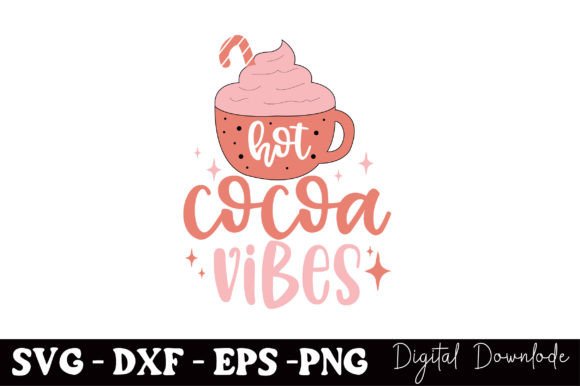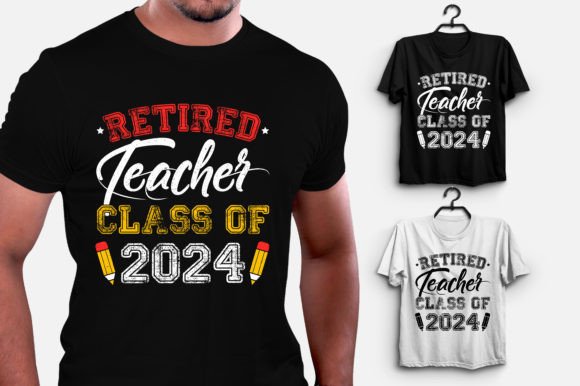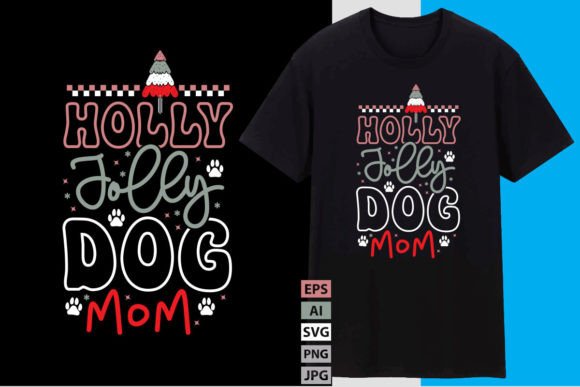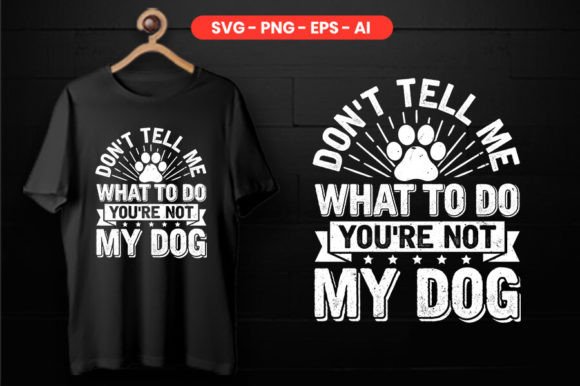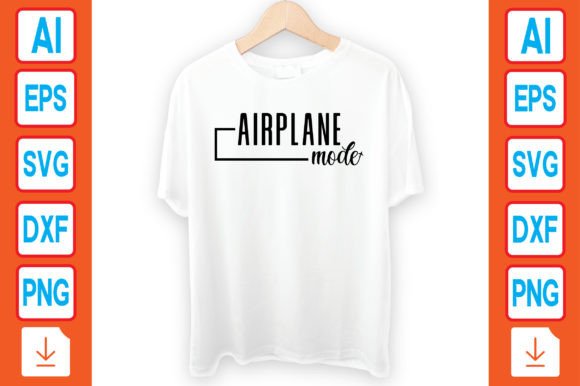
Airplane Mode: Graphics for T-Shirt Designs
As a graphic designer with years of experience working on branding, packaging, and print-on-demand projects, I always look for design assets that can elevate a client’s visual identity without compromising quality or flexibility. Airplane Mode is one such graphic design asset that offers a unique aesthetic and practical utility for a range of creative projects.
The First Impression: A Visual Escape
Upon first glance, Airplane Mode evokes a sense of calm and freedom. The design elements are clean, modern, and subtly playful, making it ideal for projects that aim to convey relaxation, travel, or a break from the daily grind. It feels like a visual escape, perfect for clients looking to create a mood board or brand identity around themes like family vacations, leisure, or adventure.
This graphic design asset has a minimalist yet engaging style, which makes it versatile for different applications. Whether used as a standalone illustration or integrated into a larger composition, Airplane Mode maintains its visual appeal without overwhelming the viewer.
Real-World Applications: Where Airplane Mode Shines
In real design situations, Airplane Mode proves to be a valuable tool for a variety of creative design needs. For t-shirt designs, it can serve as a focal point that adds a touch of whimsy or sophistication depending on how it's styled. When paired with typography, it can become a strong visual element for a branded product line or seasonal campaign.
For packaging design, Airplane Mode can be used as a decorative accent on labels or as part of a themed collection. Its high-resolution PNG and SVG formats make it easy to scale and adapt for different sizes, whether it's for a small sticker design or a large poster.
In social media graphics and editorial design, Airplane Mode can act as a supporting brand element that reinforces a cohesive visual language. It also works well in Canva templates and Cricut projects, offering designers a quick way to add a professional touch to printable designs or handmade business products.
Best Use Cases: Large Layouts and Themed Campaigns
Airplane Mode excels in large layout areas where it can be used as a hero graphic or background element. It's particularly effective in product mockups, where it can be layered over a t-shirt or tote bag to showcase how it would appear in a real-world setting.
It also fits well in themed collections, such as a summer campaign or a family vacation-themed merchandise line. Its transparent background and vector format allow for seamless integration into various design contexts, making it a go-to choice for digital sellers and print-on-demand businesses.
When used in decorative accents or as part of a campaign visual, Airplane Mode adds a layer of personality and visual interest without disrupting the overall design flow.
Cautious Use: Minimalist Branding and Corporate Projects
While Airplane Mode is visually appealing, it may not be the best fit for minimalist branding or professional corporate materials. In these cases, the design could clash with a clean, no-nonsense aesthetic. It might also be too busy for low-contrast or simple layouts where clarity is key.
Designers should consider the visual hierarchy when placing Airplane Mode in a composition. If the design is already complex, adding this asset could lead to clutter and reduce readability. It’s important to test it in black and white and check contrast on both light and dark backgrounds to ensure it remains legible and impactful.
Impact on Branding and Design Quality
Airplane Mode contributes to brand consistency by offering a recognizable visual element that can be used across multiple platforms. Its ability to maintain quality at different sizes ensures that it looks sharp on everything from a small Instagram post to a large billboard.
From an emotional appeal standpoint, the design evokes a sense of ease and nostalgia, which can resonate well with audiences looking for a relaxed or adventurous vibe. This makes it a great asset for handmade businesses or small business branding that aims to connect with customers on a personal level.
When used effectively, Airplane Mode enhances audience engagement and helps create a more polished final result. However, it's essential to review file formats, inspect PNG transparency, and confirm commercial licensing before using it for a client project.
Designer Notes: Practical Checks Before Use
Before integrating Airplane Mode into a client project, I recommend testing it at various sizes to ensure it remains clear and impactful. Previewing it on real mockups and checking print quality can help identify any potential issues that might affect the final output.
Comparing it with different font styles—such as serif, sans serif, script, or display fonts—can also help determine the best pairing for the intended message. Additionally, reviewing the design bundle and ensuring all file formats (AI, SVG, PNG, EPS, DXF) are included is crucial for flexibility and future use.
For designers working on a commercial design or print-on-demand project, confirming the commercial license is a must. This ensures that the asset can be used without legal complications, especially when delivering work to a client.
Conclusion: A Useful Creative Asset for the Right Project
Airplane Mode is a well-rounded graphic design asset that can enhance a wide range of creative projects. Its clean style, high-quality files, and versatility make it a valuable addition to any design toolkit. Whether you're working on a t-shirt design, a social media campaign, or a handmade product line, this asset can bring a fresh and engaging visual element to your work.
However, like any design element, it's important to use it thoughtfully and in the right context. With proper consideration and testing, Airplane Mode can become a powerful tool in your design process, helping you deliver polished and professional results for your clients.