Fishing Evolution
As an embroidery designer and product reviewer, I’ve seen my fair share of digital designs. But when I first opened the Fishing Evolution package, I was immediately struck by its clean, professional feel. This isn’t just another generic graphic—it’s a well-crafted design that screams potential for real-world use.
The First Impression
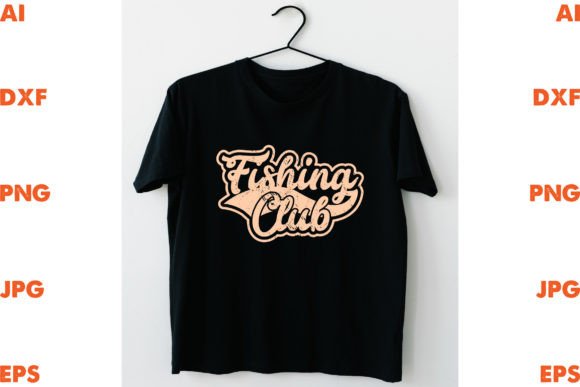
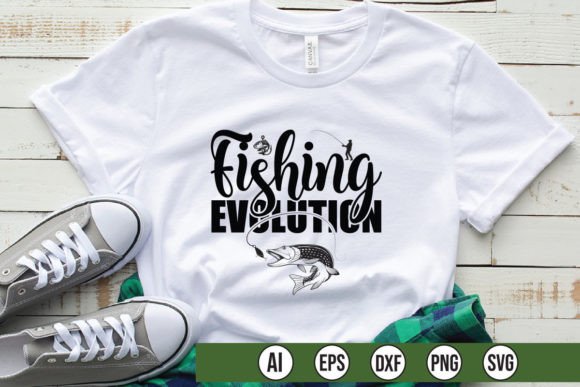
Fishing Evolution has a classic, nostalgic vibe. The imagery is straightforward but detailed enough to stand out on any fabric. The layout is balanced, with a central focal point that draws the eye. It feels like something you’d see on a vintage fishing poster or a retro t-shirt. The design doesn’t scream for attention, but it doesn’t fade into the background either. It’s the kind of piece that works well in both casual and slightly more refined settings.
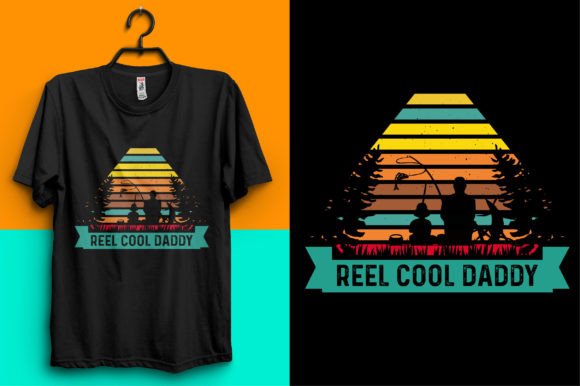
The theme is clear: a fishing scene with a hook, line, and some fish. It’s simple, but the execution is sharp. The shapes are well-defined, and the details—like the texture of the water or the lines of the boat—are subtle but effective. This makes it versatile for different types of projects, from baby clothes to adult apparel.
Real-World Embroidery Performance
When I tested Fishing Evolution on a sample tote bag, it looked great. The design translated well onto cotton fabric, and the stitch density wasn’t too heavy. It didn’t overwhelm the material, which is a big plus for a design that could easily become cluttered. For a custom apparel project, this would be a solid choice.
On a sweatshirt, the design maintained its clarity. The colors were vibrant, and the high-resolution files ensured that even small details like the fish scales came through nicely. I also tried it on a baby onesie, and it worked surprisingly well. The design is not too busy, making it suitable for a child’s clothing without being overwhelming.
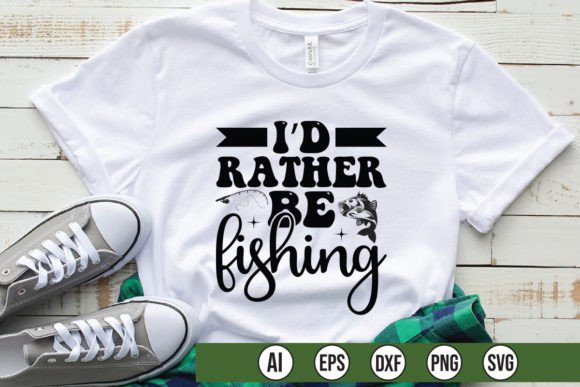
For a patch or applique design, Fishing Evolution would be a good fit. The file formats included—AI, EPS, SVG, DXF, PNG, and JPG—make it easy to resize and adjust for different applications. The transparent backgrounds help when placing the design on various fabric colors, and the mockups provided give a clear idea of how it will look once stitched.
Where to Use It Carefully
While Fishing Evolution is a strong design, there are a few situations where it might need some extra attention. On small hoop sizes, the detail can get lost, so it’s best to use it on larger hoops or split the design if necessary. Thin or stretchy fabrics might require a bit more stabilizer to keep the stitches from puckering.
Dark fabrics can also be a challenge. While the design looks good on light backgrounds, I noticed that the thread color contrast was less striking on darker materials. A lighter thread or a white fill might be needed for better visibility. Similarly, on textured or woven fabrics, the design might not sit as smoothly as it would on a smooth knit.
If you’re planning to use Fishing Evolution on a curved surface like a cap or a hat, you’ll want to test it first. The design is mostly flat, so it might not wrap around the curve as seamlessly as a more rounded design would. And for products that will be washed frequently, make sure the stitching is secure and the stabilizer is appropriate for the fabric type.
Impact on Visual Appeal and Value
Fishing Evolution adds a touch of personality to any project. It’s not overly complex, but it’s detailed enough to make a statement. For a handmade product or personalized gift, this design can elevate the overall look and feel. It gives customers a sense of quality and care, which is important for building trust and repeat business.
As a digital product seller, I appreciate the flexibility of this design. The editable and color-changeable files mean I can tailor it to different client preferences or seasonal themes. The high-resolution mockups also help in creating compelling listings for Etsy or other platforms. Customers can see exactly what they’re getting, which reduces confusion and increases satisfaction.
For a craft business or small shop, Fishing Evolution is a reliable asset. It’s easy to use, adaptable, and visually appealing. Whether it’s for a holiday gift, a boutique product, or a custom order, this design can fit into a variety of niches without feeling out of place.
Practical Designer Notes
Before using Fishing Evolution in a commercial project, always test it on scrap fabric. This helps you understand how the design behaves on different materials and how the stitch density affects the final look. Check the thread colors against the fabric to ensure good contrast, especially on dark backgrounds.
Review the hoop size requirements. If the design is too large for your machine, consider splitting it or adjusting the scale. Inspect the small details closely—things like the corners of the fish or the lines of the boat can sometimes get distorted during stitching.
Test the design in black and white mockups to see how it looks without color. This can help you decide if it needs adjustments for different fabric tones. Also, compare it on both light and dark backgrounds to ensure it’s versatile enough for all your projects.
Use the right stabilizer for the fabric type. For stretchy or thin materials, a tear-away or cut-away stabilizer can prevent puckering and maintain the design’s integrity. Make sure the design works for both personal and commercial use, and always check the licensing terms before selling finished items or digital files.
Final Thoughts
Fishing Evolution is a solid choice for anyone looking for a reliable, adaptable embroidery design. It’s well-suited for custom apparel, tote bags, baby items, and a range of other projects. While it’s not perfect for every situation, it offers a good balance of detail, versatility, and practicality.
As a designer, I’d recommend this to fellow embroiderers, Etsy sellers, and small business owners who want to add a touch of authenticity and style to their products. It’s a design that feels thoughtful and well-executed, and with the right preparation, it can turn into a standout finished product.